Safety and Resilience For All
SR4A works to make everyday travel survivable — for pedestrians, cyclists and drivers alike — and to build transport systems that hold up as the climate changes. We do it through research, technology, advocacy and education.
 Road Safety
 Climate Resilience
 Smart Cities
Four connected challenges
Road danger, a changing climate and the way cities are being rebuilt around data are not three separate problems. The same street either protects a child walking to school, floods in a storm, and serves the people who live on it — or it fails at all three.
 Road Safety →
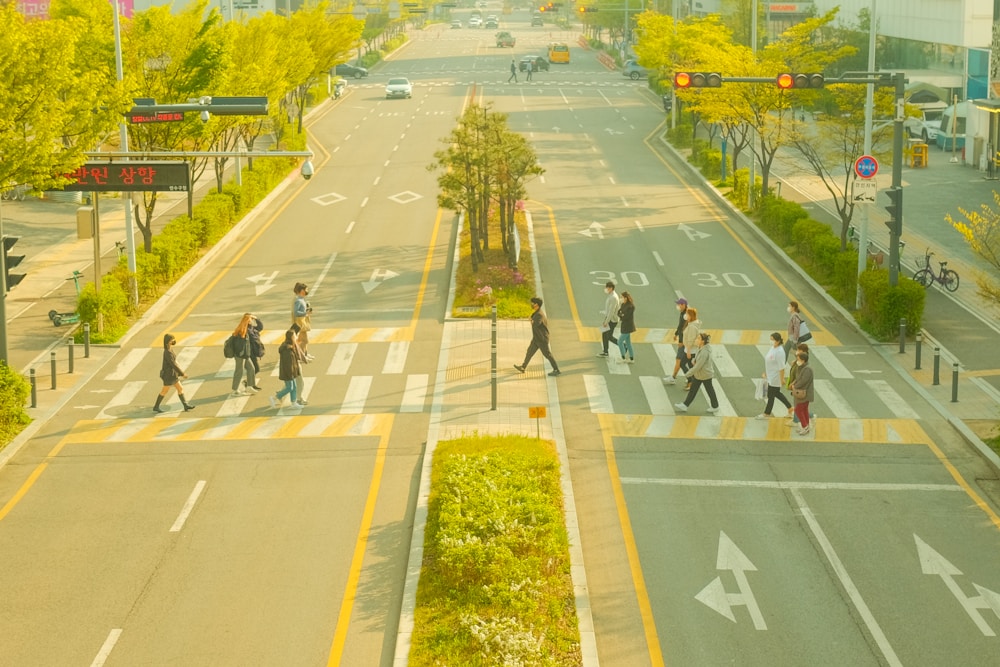
Most people killed on the world's roads were never behind the wheel. We work on the safety of people who walk, cycle and ride — and on the road designs and speeds that decide whether a mistake is survivable.
 Climate Resilience →
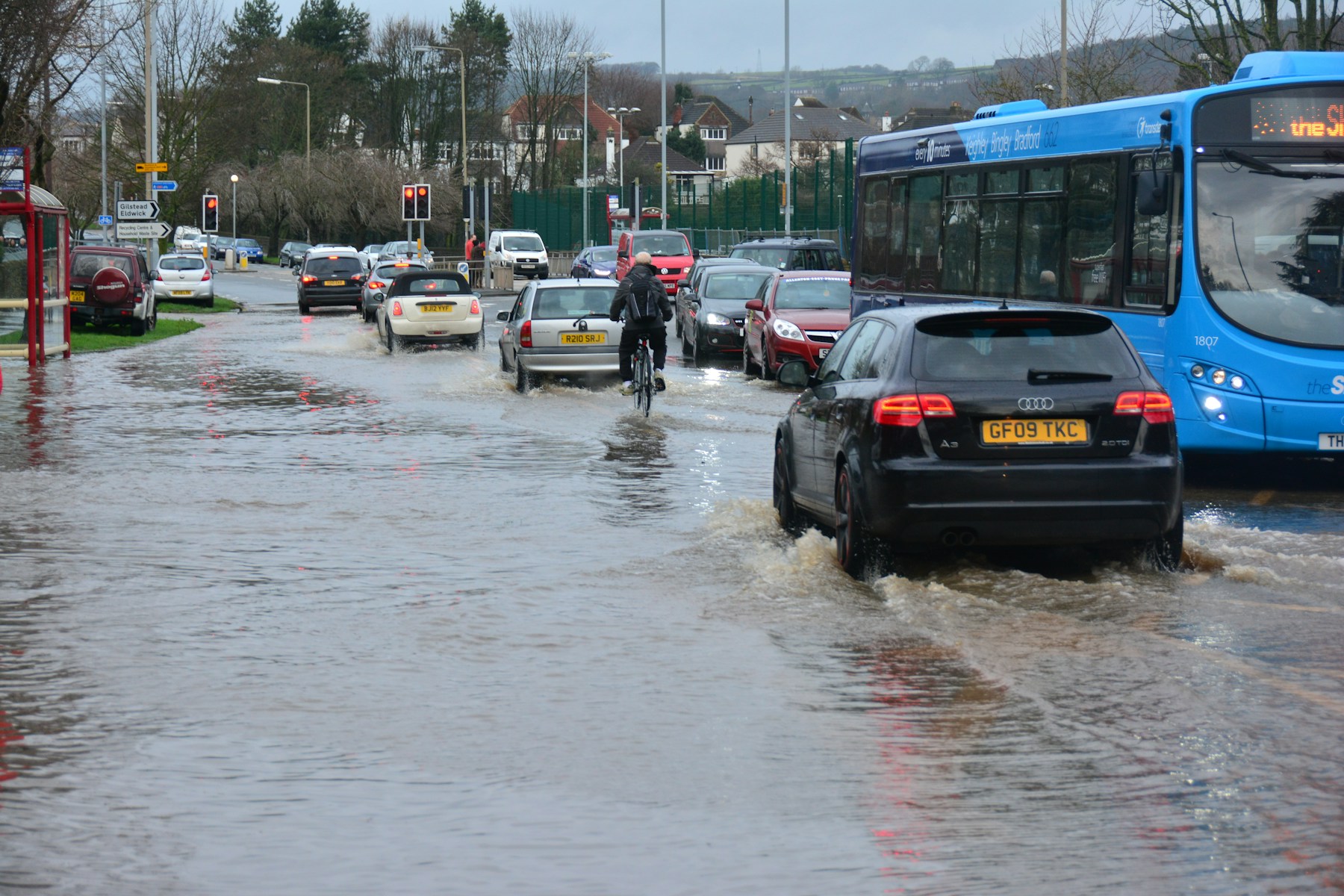
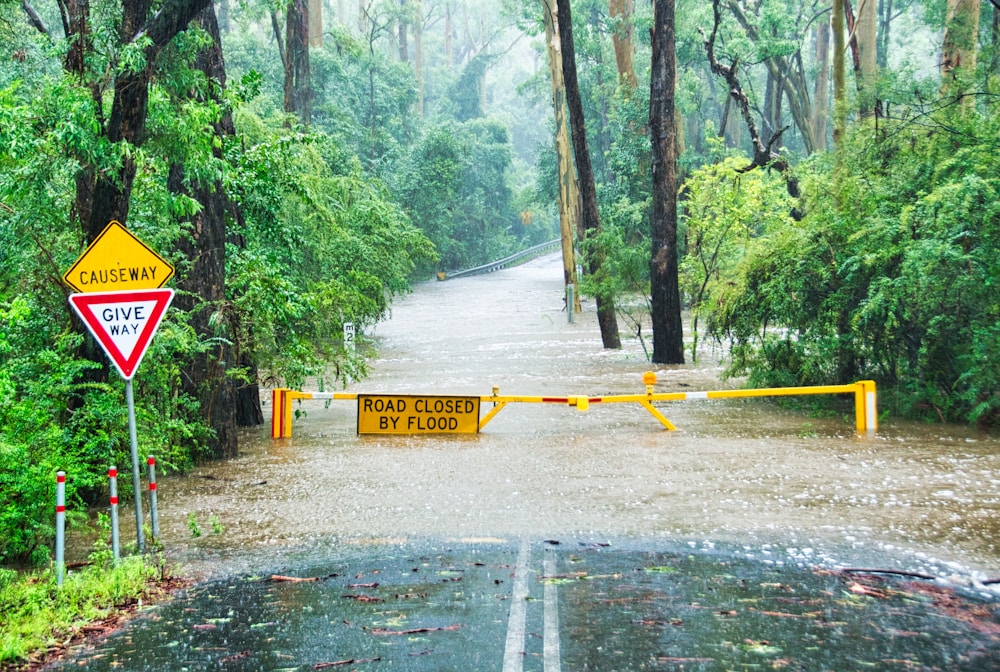
Storms, floods, fog and heat are reshaping when and where crashes happen, and infrastructure built for yesterday's weather is failing. We help agencies plan for the climate they will actually get.
 Smart Cities →
New mobility technology can widen the safety gap or close it. We work on making connected and automated systems serve the communities usually left out of them.
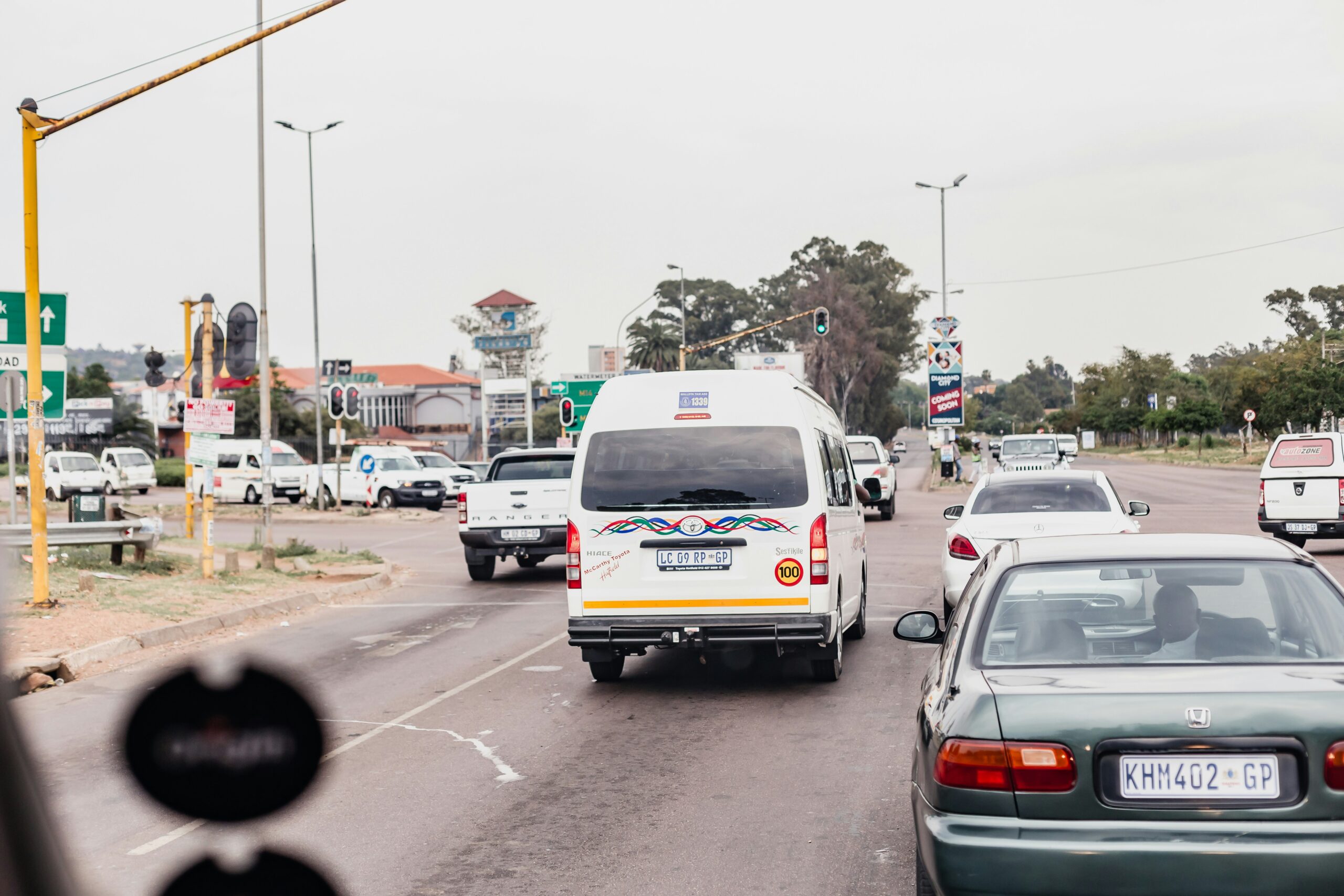 Automated Vehicles →
Automation has been built for cities, where it changes the least. On rural roads with no service at all it is the first form of transport that could pay for itself — but only if the route is chosen on evidence rather than convenience.
Four ways in
Evidence on its own changes nothing. We generate it, build tools from it, carry it into the rooms where decisions get made, and teach it to the people who will still be doing this work in twenty years.
Peer-reviewed and conference-presented studies on crash risk, weather and mobility — with methods published so others can build on them.
Machine learning, geospatial analysis and forecasting tools that let agencies anticipate risk rather than count casualties afterwards.
Campaigning and policy engagement with government, industry and multilateral partners to turn findings into standards, budgets and law.
Workshops, training and public awareness work that puts road safety knowledge into the hands of practitioners and communities.
Priority regions
Road deaths are not distributed evenly, and neither is the evidence. The overwhelming majority of the world's road fatalities happen in countries that produce the least road safety research about themselves. These are the regions SR4A is building toward — chosen by burden, not convenience.
A growing record
Our studies have been presented at the Transportation Research Board Annual Meeting in Washington, D.C. and the North Carolina Automated Vehicle Symposium, and published in peer-reviewed venues.
Crash history alone cannot predict weather-driven risk — but conditioning on the weather forecast restores it, with gains concentrated in storm weeks.
Mapping high-risk corridors in mountainous terrain and recommending adaptive infrastructure countermeasures.
Identifying high-risk road segments in real time by combining crash history, roadway characteristics and environmental conditions.
How public safety perception shapes adoption of automated vehicles across different communities.
This record grows with every conference season — new presentations and publications are added as they land.
Partner with us on research, bring our training to your agency, volunteer, or fund the work.
Get involved